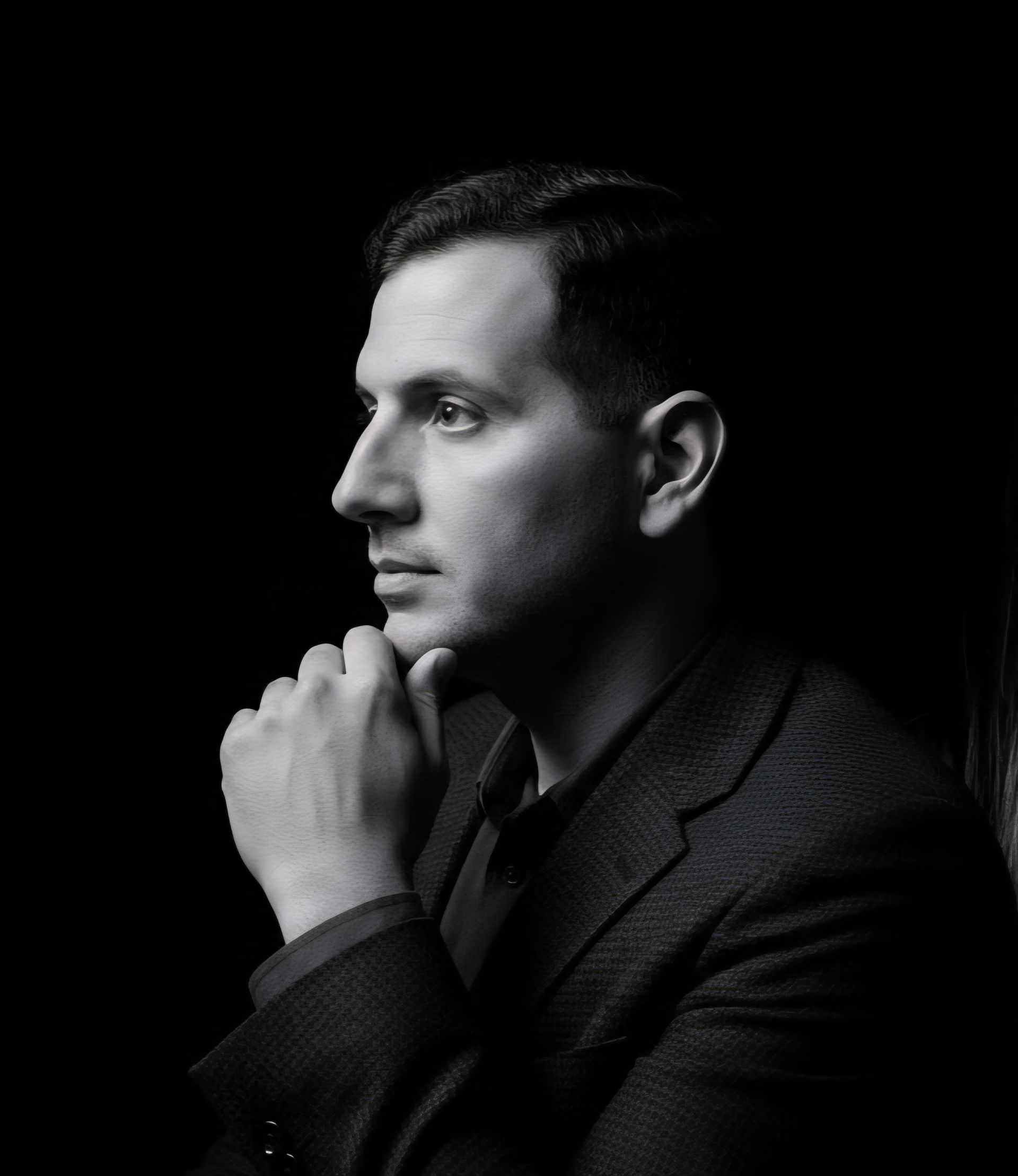
Resume by Nino Mihilli
Nino Mihilli
Your Résumé Gets You in the Room. Your Reputation Decides What Happens Next.
Why I’ve Come to Value Trust, Character, and the Things People Say About You When You’re Not There
I've spent a lot of years in business.
I've hired people.
Been hired by customers.
Worked with vendors.
Built partnerships.
Made investments.
Started companies.
Lost opportunities.
Been given opportunities I probably wouldn't have received if someone hadn't trusted me.
And the older I get, the more convinced I become that one of the most valuable things any of us owns doesn't appear on a financial statement.
Our reputation.
A résumé can tell people where you've been.
A reputation tells people what it was like having you there.
That's a very different thing.
A Résumé Is What You Say About Yourself
Think about what goes on a résumé.
Job titles.
Education.
Experience.
Skills.
Accomplishments.
Years in an industry.
All useful information.
But most of it is information you're presenting about yourself.
Reputation is different.
Reputation exists in other people's minds.
It's what someone says when another person asks:
"Do you know Nino?"
That conversation matters.
And you'll probably never hear it.
The Most Important Conversations About You Happen Without You
That's something I've learned in business.
Opportunities are often created in rooms you're not in.
Someone asks:
"Who do you know?"
"Can this person be trusted?"
"Have you worked with them?"
"Do they pay?"
"Do they deliver?"
"Would you hire them again?"
"Would you do business with them?"
And somebody answers.
You aren't there to explain yourself.
You don't get to give the sales pitch.
Your reputation answers for you.
That's powerful.
Reputation Compounds
I've written before about compounding because I think it applies to far more than money.
Reputation compounds too.
Keep your word once and someone notices.
Do it repeatedly and they begin trusting you.
Deliver when things are difficult and the trust gets stronger.
Eventually, someone recommends you.
That recommendation creates another relationship.
That relationship creates another opportunity.
Years later, you may not even know where an opportunity originally came from.
It came through a chain of trust.
That's reputation compounding.
Unfortunately, it works in the opposite direction too.
Trust Takes a Long Time to Build and Very Little Time to Damage
Most people understand this intellectually.
Living it is different.
One dishonest decision can erase years of credibility.
One unpaid obligation.
One promise you knowingly break.
One moment when someone discovers your word doesn't mean what they thought it meant.
That's why I've come to view reputation almost like capital.
You can spend it.
You can invest it.
You can waste it.
You can build it.
But unlike money, sometimes you can't simply earn back what you lost.
This Doesn't Mean You Never Make Mistakes
I certainly haven't lived a mistake-free life.
Not even close.
I've made bad business decisions.
I've misunderstood situations.
I've handled things differently than I would handle them today.
I've disappointed people.
That's part of being human.
Reputation isn't about pretending you're perfect.
Sometimes the way you handle a mistake tells people more about you than the mistake itself.
Did you hide?
Did you lie?
Did you blame someone else?
Or did you say:
"I got this wrong. How do we fix it?"
That matters.
I've Learned That Bad News Should Travel Fast
This is something I've come to believe strongly in business.
If there's a problem, communicate.
Don't disappear.
If you're going to miss a deadline, say something.
If something went wrong, explain it.
If you don't know the answer, say you don't know.
People can deal with a surprising amount of bad news.
What destroys trust is being surprised by bad news someone else already knew about.
I've found that difficult conversations rarely become easier because you avoided them for three days.
Usually they become harder.
Your Reputation Is Built in Small Moments
People sometimes imagine reputation is created by major accomplishments.
Sometimes it is.
But I think most reputations are built through hundreds of small interactions.
Did you call back?
Did you arrive when you said you would?
Did you pay what you owed?
Did you treat the receptionist with the same respect you showed the owner?
Did you keep something confidential?
Did you take credit for someone else's work?
Did your behavior change when there was nothing you could gain?
Those moments accumulate.
Eventually, people form an opinion about who you are.
How You Treat People Who Can't Help You Matters
This one is especially important to me.
It's easy to be kind to someone who controls something you want.
The customer.
The executive.
The investor.
The decision-maker.
That's not a very impressive test of character.
Pay attention to how someone treats the person they don't believe can do anything for them.
The temporary worker.
The server.
The cleaner.
The receptionist.
The new employee.
The person who made a mistake.
The person with no impressive title.
That tells you much more.
I've spent enough time in staffing to know that job titles are terrible measurements of human worth.
Business Has a Long Memory
The world is also smaller than we think.
Phoenix can feel like a huge city until you start doing business here for years.
Then connections begin appearing everywhere.
Someone worked with someone.
Someone knows your customer.
A former employee becomes a manager somewhere else.
A vendor moves to another company.
A person you met ten years ago suddenly appears in a completely different situation.
That's why I think short-term thinking about relationships is such a mistake.
You don't know where people are going.
And you don't know where you're going either.
Treat people well because it's right.
The fact that the world has a funny way of bringing people back around is simply another reason.
The Internet Changed Reputation
Today, reputation has another layer.
We all leave digital footprints.
Websites.
Social media.
Reviews.
Articles.
Interviews.
Videos.
Search results.
For entrepreneurs especially, your name increasingly functions like a brand.
That's one reason I've become intentional about writing.
When someone searches my name, I don't only want them to find businesses I've been associated with.
I want them to understand how I think.
What I believe.
What I've learned.
What I've built.
Where I've failed.
What matters to me.
That's part of why I write these articles.
Not to manufacture a reputation.
To document one.
There's a difference.
Personal Branding Can't Fix Bad Character
We're living in an era obsessed with personal brands.
I understand why.
I have one too.
But branding has limits.
A beautiful website can't make people trust you.
Professional photographs can't make you honest.
A huge social following doesn't mean people want to work with you.
AI can help produce more content than ever before.
But none of it can permanently hide how you actually conduct yourself.
Eventually, reality catches up with marketing.
I'd rather build the substance first.
Then let the brand explain it.
Reputation Matters More as You Grow
As businesses grow, the founder can't be in every conversation.
That means trust becomes even more important.
Customers have to trust employees.
Employees have to trust managers.
Managers have to trust systems.
Partners have to trust agreements.
The organization begins developing a reputation separate from the founder.
That's culture.
At Flat Staffing, our reputation isn't determined by what I write on a website.
It's determined every time we send someone to a customer.
Every phone call.
Every invoice.
Every problem.
Every worker.
Every promise.
That's humbling.
Your company is being represented every day by interactions you'll never personally see.
Money Can Return. Trust Is Harder.
I've lost money before.
Most entrepreneurs have.
Money can be earned again.
An opportunity can be replaced.
A failed project can be rebuilt differently.
But trust is harder.
If someone genuinely trusted you and you intentionally betrayed that trust, rebuilding it may take years.
Sometimes it never comes back.
That's why there are deals I don't want badly enough to compromise who I am.
No amount of revenue is worth teaching people that my word has a price.
Faith Raises the Standard
My faith makes this more than a business strategy.
Proverbs 22:1 says:
"A good name is more desirable than great riches."
That's a powerful statement.
Not because money is evil.
Money can do tremendous good.
Businesses need profit.
Families need resources.
Growth requires capital.
But Scripture puts those things in order.
A good name comes first.
That's the kind of wealth I want to protect.
Your Children Inherit Part of Your Name
As I've gotten older, this has become more personal.
I'm not only building a reputation for myself.
My children carry my name.
That changes the question.
What do I want that name to mean to them?
Hopefully not that their father never made mistakes.
They know better than that.
I hope it means he tried to keep his word.
He worked.
He loved his family.
He treated people with respect.
He believed in God.
He built things.
He helped people when he could.
He got things wrong and kept learning.
That's worth more to me than having people remember how much money I made.
You Can't Control Everything People Say About You
This is important too.
Living for reputation can become unhealthy if it means constantly worrying about everyone's opinion.
People will misunderstand you.
Someone may dislike you.
Someone may tell an incomplete version of a story.
Someone may criticize a decision without knowing the circumstances.
You cannot control every opinion.
And you shouldn't try.
The goal isn't universal approval.
The goal is living in a way where the people who truly know you can trust your character.
That's enough.
Final Thoughts
Early in life, we spend a lot of time building résumés.
Where did you work?
What did you accomplish?
What title did you earn?
How much did you make?
Those things have their place.
But eventually another document begins mattering more.
It isn't written down.
You can't attach it to an application.
You don't control what's written in it.
It's carried by the people you've encountered.
Your reputation.
Every promise adds a line.
Every decision adds a line.
Every difficult moment adds a line.
Every interaction adds a line.
You're writing it every day without ever seeing the finished document.
So build the résumé.
Build the company.
Build the portfolio.
Build the career.
Build the personal brand.
But while you're doing all of that, protect something more valuable.
Build a name people can trust.
Because your résumé might get you into the room.
Your reputation determines whether someone wants you back.
— Nino Mihilli
Stay Connected with Nino Mihilli
🌐 Personal Website: https://www.ninomihilli.com
🏢 T47 Group: https://www.t47group.com
👷 Flat Staffing: https://www.flatstaffing.com
📖 Read Nino Mihilli's novel, The Variable, on Amazon: https://www.amazon.com/dp/B0GX3783RG
Follow Nino Mihilli on
LinkedIn, Instagram, X, Facebook, YouTube, Medium, and Substack
for more on entrepreneurship, leadership, artificial intelligence, faith, writing, business, and the lessons I'm still learning while building.