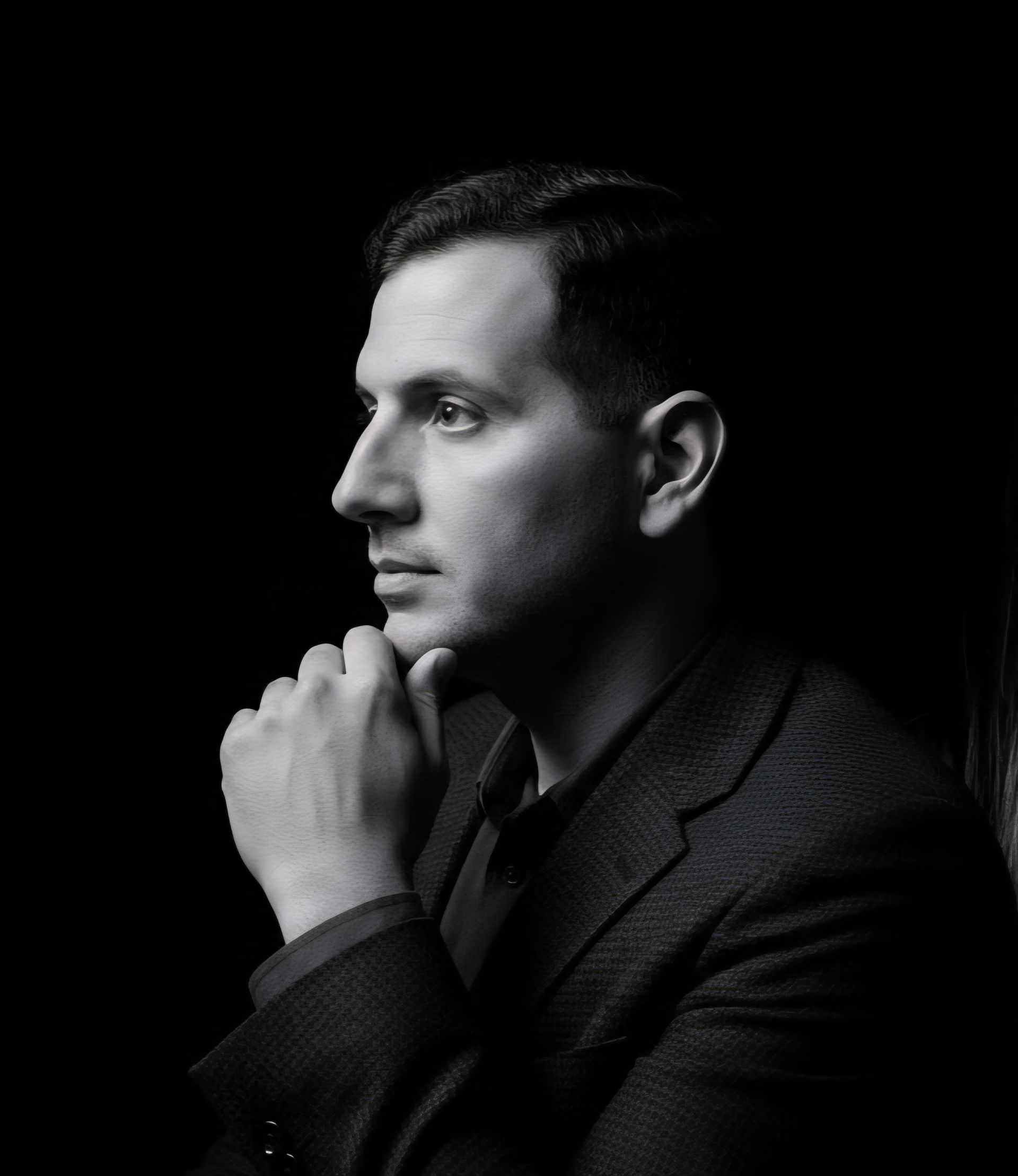
Remembering by Nino Mihilli
Nino Mihilli
September 11: Remember the Lives, the Courage, and the Way We Came Together
There are dates on a calendar.
And then there are dates that become part of a nation's memory.
September 11 is one of them.
Twenty-five years have passed since the attacks of September 11, 2001.
A quarter of a century.
For younger generations, September 11 is history they learned about from parents, teachers, documentaries, photographs, and videos.
For those of us old enough to remember that morning, it doesn't feel like history.
There are images that never completely leave you.
There are feelings you don't forget.
And every year when this date returns, I think the most appropriate thing we can do is something very simple.
Remember.
Remember the People
Before September 11 became history, it was thousands of individual lives.
People went to work.
People boarded airplanes.
People said goodbye to their families expecting to see them again.
It began as an ordinary Tuesday.
That's something I've always found difficult to think about.
The people who lost their lives weren't statistics.
They were husbands.
Wives.
Mothers.
Fathers.
Sons.
Daughters.
Brothers.
Sisters.
Friends.
Coworkers.
Neighbors.
They had plans for that evening.
Plans for the weekend.
Plans for the future.
When we remember September 11, we should begin by remembering them.
Remember the People Who Ran Toward Danger
There is another image from that day that has stayed with America.
While people were desperately trying to escape danger, firefighters, police officers, paramedics, and other first responders were moving toward it.
Think about what that means.
Everything inside the human body tells us to move away from danger.
Yet there are people whose calling requires them to go the other direction.
They climbed stairs while others came down.
They entered buildings while others escaped.
Many knew the danger.
They went anyway.
There is something extraordinary about that kind of courage.
But perhaps what's even more remarkable is that many of those people probably wouldn't have described themselves as extraordinary.
They were doing their jobs.
Serving others.
Answering the call in front of them.
Ordinary People Did Extraordinary Things
September 11 also reminded us that courage doesn't belong only to people wearing uniforms.
Ordinary Americans helped strangers.
Coworkers helped one another.
People opened doors.
People donated blood.
People volunteered.
People comforted grieving families.
And aboard Flight 93, passengers and crew confronted the hijackers, sacrificing themselves as they fought to prevent an even greater tragedy.
They didn't wake up that morning expecting history to ask anything extraordinary of them.
It did.
And they answered.
That's something worth remembering.
We Were Reminded How Fragile an Ordinary Day Can Be
One of the lessons September 11 leaves with me is how quickly an ordinary day can become something else.
We live much of life assuming tomorrow is guaranteed.
There will be another dinner.
Another phone call.
Another weekend.
Another chance to say what we meant to say.
Usually, there is.
But September 11 is a painful reminder that sometimes there isn't.
That shouldn't make us live afraid.
I think it should make us live grateful.
Call your parents.
Spend time with your children.
Tell your spouse you love them.
Forgive something that isn't worth carrying.
Thank someone.
Enjoy an ordinary dinner.
Ordinary moments become precious when we understand they were never guaranteed.
Remember How America Responded to One Another
When I think about September 11, I also remember what happened afterward.
Americans were hurting.
Angry.
Confused.
Afraid.
But something else happened.
People came together.
Neighbors talked to neighbors.
Flags appeared everywhere.
Churches filled.
People prayed.
Strangers helped strangers.
For a period of time, many of the things that normally divide us seemed much smaller.
We remembered that before our disagreements, we shared a country.
I wish we could recover more of that without needing tragedy to remind us.
Unity Doesn't Require Agreement
America has never been a country where everyone agrees.
It wasn't before September 11.
It certainly isn't today.
We disagree about politics.
Religion.
Culture.
Business.
The direction of the country.
Sometimes strongly.
That's part of living in a free society.
Unity doesn't mean pretending those disagreements don't exist.
It means remembering that the person who disagrees with you is still your neighbor.
We can debate without hatred.
Disagree without dehumanizing.
Stand firmly for what we believe while remembering that we're sharing this country with one another.
September 11 showed us how quickly labels can disappear when someone simply needs help.
Service Is One of the Best Ways to Honor Memory
I don't think remembering should only mean looking backward.
Memory should influence how we live forward.
We honor courage by becoming more courageous.
We honor sacrifice by becoming less selfish.
We honor service by serving.
Maybe you aren't a firefighter running into a burning building.
Most of us never will be.
But every day gives us smaller opportunities to help someone.
Check on a neighbor.
Mentor a young person.
Help someone looking for work.
Support a first responder.
Serve your community.
Give when someone is hurting.
Treat a stranger with kindness.
We don't need a national tragedy to become better neighbors.
Faith Gives Me Hope Beyond Tragedy
September 11 raises questions that are difficult to answer.
Why does evil exist?
Why do innocent people suffer?
Why are families forced to experience unimaginable loss?
I don't pretend to have simple answers.
My Christian faith doesn't require me to pretend suffering isn't painful.
Jesus Himself said in John 16:33:
"In this world you will have trouble. But take heart! I have overcome the world."
That verse doesn't promise a life without tragedy.
It promises that tragedy doesn't get the final word.
For me, that's where hope lives.
Twenty-Five Years Later
Twenty-five years is a long time.
Children born after September 11 are now adults.
A generation has grown up without any personal memory of that morning.
That makes remembrance even more important.
Eventually, every historical event reaches a point where fewer people remember experiencing it firsthand.
Then memory becomes something one generation must deliberately pass to the next.
Tell the stories.
Teach what happened.
Remember the victims.
Remember the first responders.
Remember the passengers and crew of Flight 93.
Remember the families who carried the loss long after the television cameras moved on.
Remember the military members and their families whose lives were changed by the years that followed.
History becomes distant only when we allow it to.
Final Thoughts
Today doesn't need a business lesson.
It doesn't need a marketing message.
Some days deserve something quieter.
September 11 is one of them.
So today I simply want to remember.
Remember the lives lost.
Remember the families.
Remember the firefighters, police officers, paramedics, dispatchers, military personnel, volunteers, and ordinary citizens who served.
Remember the courage.
Remember the sacrifice.
Remember how quickly an ordinary morning changed.
And remember how Americans reached for one another afterward.
Twenty-five years later, perhaps one of the best ways we can honor those memories is by refusing to take our own ordinary days—or one another—for granted.
Never forget.
— Nino Mihilli